
They say the best tools are the ones you actually use every day. But in the fast-paced world of digital marketing, “the best” is a moving target. As we move into 2026, the landscape has shifted, and so has our internal toolkit at Headline Consultants.
We believe in staying agile by phasing out platforms that no longer align with our standards and embracing the latest innovations in AI and automation. We’re lifting the curtain on the essential tools we rely on today to keep our clients ahead of the curve.
Here are the seven tools we can’t live without:
1. Social Media Management: Metricool
 Metricool is our new, unified command center for all things social.
As we moved away from a previous platform in 2025, Metricool stood out for its seamless integration of analytics and scheduling. After comparing it to six other platforms, it stood out for its aggressive pricing, intuitive user interface, and ability to organize client social platforms into “brands.” This powerful tool allows our team to:
- Analyze data from every major social network in one unified dashboard
- Manage and schedule posts with a highly visual, drag-and-drop planner
- Monitor competitors and track the real-time performance of ad campaigns
- Generate automated, professional reports that prove ROI to our clients
What we love most about Metricool is its “all-in-one” philosophy. Of course it schedules content, but it also provides the deep data insights we need to refine our strategy on the fly. Since making the switch, our workflow has never been more data-driven or efficient.
2. Project Management: Trello
 Trello is a visual project management tool that uses boards, lists, and cards to help teams organize and prioritize projects in a flexible, intuitive way.
Content marketing involves juggling multiple projects, deadlines, and team members. Trello helps us stay organized with its visual, board-based approach to project management. We use it to:
- Track the status of blog posts, social campaigns, and other deliverables
- Assign tasks to team members
- Set and monitor deadlines
- Store project-specific resources and notes
The flexibility of Trello’s card system allows us to customize our workflows for different types of projects while maintaining visibility across the entire team.
We started using Trello in 2015 and haven’t looked back. While we’ve experimented with other outstanding project management platforms, including Asana, Airtable, Smartsheet, and ClickUp, Trello’s intuitive platform design remains our favorite.
It’s such a part of our culture now, that we actually use its name as a verb, as in, “Wow! She can really Trello!” or “Did you Trello that project yet?”
3. SEO Insights: Semrush
 Semrush is an all-in-one digital marketing suite that provides SEO, content marketing, competitor research, PPC, and social media marketing analytics and tools.
There’s nothing on the market (that we’ve found) quite like Semrush. There are other tools that provide elements of what it does, but nothing as comprehensive. Semrush has become our SEO powerhouse, replacing our previous keyword research and content optimization tools.
With Semrush, we can:
- Conduct in-depth keyword research and competitive analysis
- Track website rankings for target keywords
- Analyze backlink profiles
- Audit website content for SEO opportunities
- Monitor competitors’ SEO strategies
What sets Semrush apart is its all-in-one approach to SEO, giving us a complete picture of our clients’ online presence and actionable insights to improve their visibility.
4. Virtual Collaboration: Google Meet
 Google Meet is a secure, browser-based video conferencing platform that enables teams to conduct virtual meetings, webinars, and collaborative sessions without requiring software downloads.
We discovered Google Meet at the outset of the Covid-19 pandemic and it has become an essential tool in our workflow. What makes it stand out:
- Web-based platform with no downloads required for guests
- Extremely intuitive interface that clients and team members can navigate easily
- Seamless calendar integration for scheduling
- Screen sharing and recording capabilities for productive collaboration
While there might be other paid meeting platforms with more bells and whistles, Google’s free platform outpaces them all (and not just because it’s free). The simplicity of sending a link that works across any device has made client meetings, team collaborations, and presentations remarkably smooth.
5. Email Marketing: Mailchimp
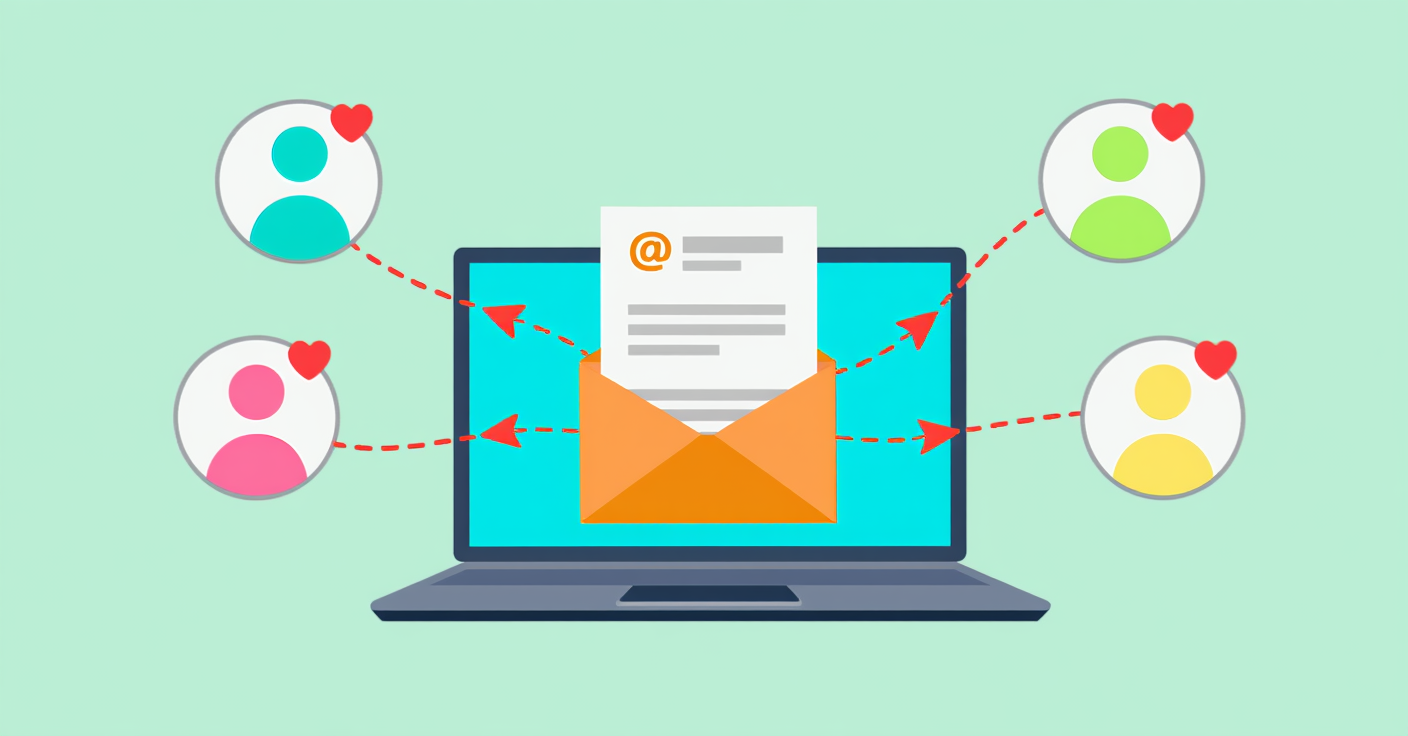
 Mailchimp is an email marketing and automation platform that allows businesses to create, send, and analyze email campaigns, landing pages, and marketing automations.
Email marketing remains one of the highest-ROI activities in digital marketing, and Mailchimp continues to be our platform of choice. We rely on Mailchimp to:
- Design professional, responsive email campaigns
- Segment subscriber lists for targeted messaging
- Automate email sequences
- Track open rates, click-throughs, and conversions
The user-friendly interface and robust analytics make Mailchimp accessible for beginners while providing the advanced features we need for sophisticated email strategies.
6. Analytics Reporting: Reporting Ninja

Reporting Ninja is a customizable reporting platform that aggregates data from multiple marketing channels to create comprehensive, white-labeled performance reports.
Clear, comprehensive reporting is essential for demonstrating the value of our content marketing efforts. Reporting Ninja helps us:
- Aggregate data from multiple platforms (Google Analytics, social media, etc.)
- Create customized, branded reports for clients
- Automate regular reporting schedules
- Visualize performance data in easy-to-understand formats
By streamlining our reporting process, Reporting Ninja saves us time while helping us deliver more professional, insightful reports to our clients.
7. AI Assistants: Gemini and ChatGPT
Google Gemini and ChatGPT are advanced AI language models that can generate human-quality text, assist with content creation, answer questions, and automate various content marketing tasks.
Perhaps the most transformative additions to our toolkit are AI assistants. We use two complementary platforms:
 Gemini: Gemini has claimed the top spot in our AI workflow. We find it incredibly responsive to complex prompts, but its true strength lies in its ability to avoid “AI-slop.” It produces clean, factual, and highly relevant content that feels modern and professional. Whether we are brainstorming campaign angles or drafting long-form thought leadership, Gemini’s ability to understand nuance makes it our go-to for high-quality composition.
 ChatGPT: While Gemini handles the bulk of our creative and narrative work, we still leverage ChatGPT for technical marketing support. It remains a reliable partner for technical SEO tasks, such as generating schema markup, conducting content audits, and assisting with complex keyword clustering.
These AI tools don’t replace human creativity and strategic thinking, but they dramatically enhance our productivity and capabilities, allowing us to focus more on strategy and client relationships.
The Bottom Line
The right tools can supercharge your content marketing efforts, boosting efficiency and improving results. While these seven tools form the backbone of our daily operations at Headline Consultants, remember that the best toolkit is one customized to your specific needs and workflow.
Want to learn more about how we approach content marketing? Contact us today to discuss how we can help elevate your brand’s content strategy.
This article was originally published in 2022 and has been updated for 2026 with our current favorite tools.